
Welcome to the Engine Room. Building the Purgatory Magazine universe requires more than just good ideas; it requires a bulletproof narrative architecture. In this progress report, we are lifting the hood to show you exactly how we construct our five-season arcs, generate complex premises and build the custom AI prompts that drive our storytelling.
QUICK GLANCE:
1. Five-Season Architecture Breakdown
2. Image Prompts for Terminator: Mimicry Season One Cover
3. Concept Generation Prompts
4. Foundational Prompts
5. Website Directory Structure
6. Complex Premise and Short Story Generators
IN FULL DETAIL:
1. Five-Season Architecture Breakdown (Terminator: Mimicry):
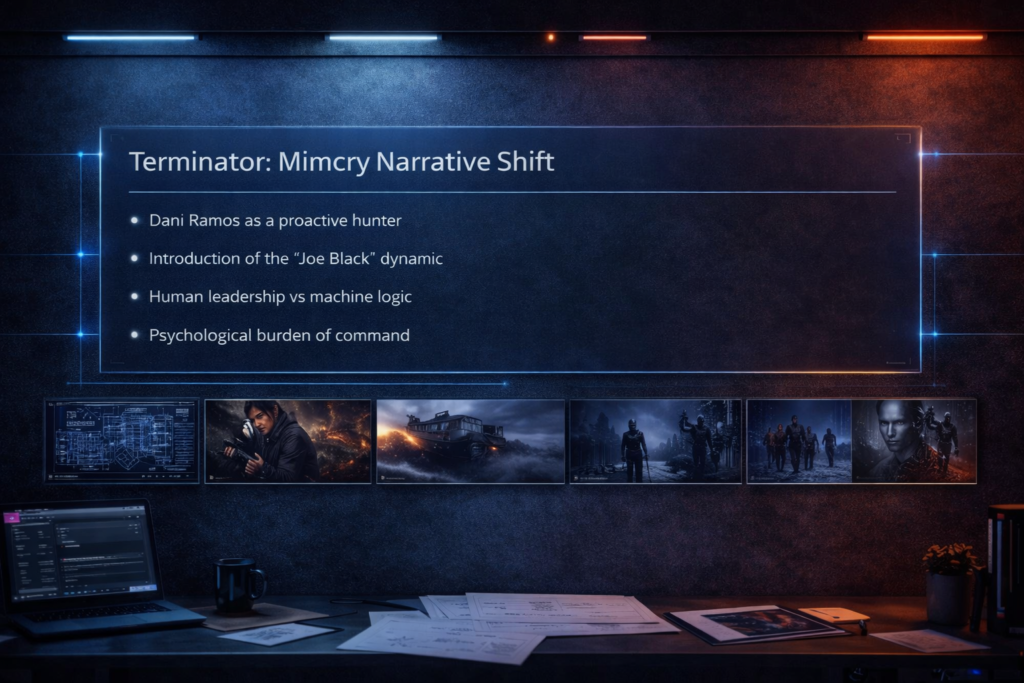
I have drafted, refined and polished a highly structured, investor-facing pitch detailing the full five-season story arc. Genres transverse from tactical war to paranoia, assassinations to public manhunt and finally, the doomsday preparation attempt to the apocalyptic eradication.
2. IMAGE PROMPTS FOR TERMINATOR: MIMICRY SEASON ONE COVER ART:
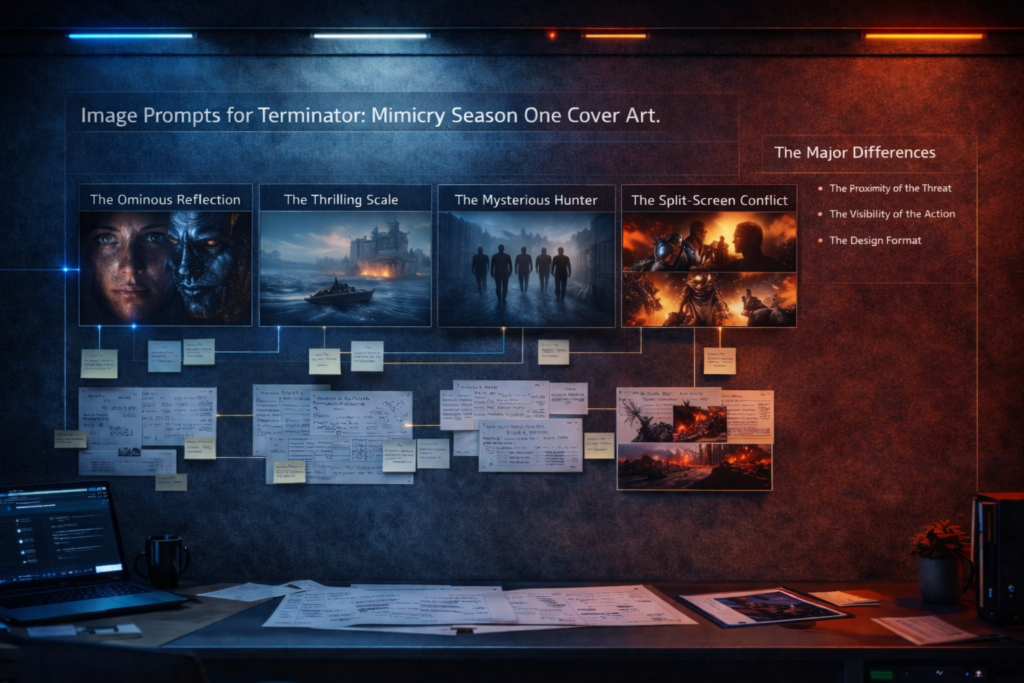
I have crafted and refined a set of detailed image prompts for the cover art of Fan Fiction Fulfilment Issue 04, in a cinematic, high-definition style without the use of actor likenesses. The prompts are:
• The Ominous Reflection
This prompt focuses purely on psychological horror and claustrophobia. It is an extreme close-up showing the terrified face of the protagonist right next to the peeling liquid metal face of her protector. It includes a burning industrial reflection in the chrome to hint at the wider destruction.
• The Thrilling Scale
This prompt pushes for epic cinematic scope and environmental danger. It is a wide-angle shot placing the two heroes as tiny figures on a rusted tug boat in the freezing ocean. A colossal automated factory glows ominously in the background to emphasise the impossible odds.
• The Mysterious Hunter
This prompt relies entirely on paranoia and atmospheric tension. It features five identical human silhouettes walking through a misty shipping container yard. The only hint of danger is a single red glowing eye on the final figure to show the threat is hidden within the group.
• The Split-Screen Conflict
This is a highly dynamic graphic layout. The top half provides an intimate character portrait of the heroes backlit by fire while the bottom half showcases a massive explosive battle involving a liquid metal figure fighting hacked civilian vehicles on a destroyed highway.
The Major Differences:
The primary differences between these prompts lie in the camera distance, the emotional intent and the visual structure.
• The Proximity of the Threat: The Reflection forces the viewer into an uncomfortably close perspective to highlight internal fear and mistrust. The Thrilling Scale pulls the camera back to highlight physical vulnerability against a massive industrial machine.
• The Visibility of the Action: The Mysterious Hunter actively hides the monster to create a slow-burn mystery. The Split-Screen Conflict puts the monster in the dead centre of an explosive warzone to showcase pure blockbuster action.
• The Design Format: The first three prompts aim to look like single-frame cinematic photographs from a dark thriller. The Split-Screen prompt is designed to look like an aggressive graphic novel cover that tells two distinct stories at once.
3. CONCEPT GENERATION PROMPTS:
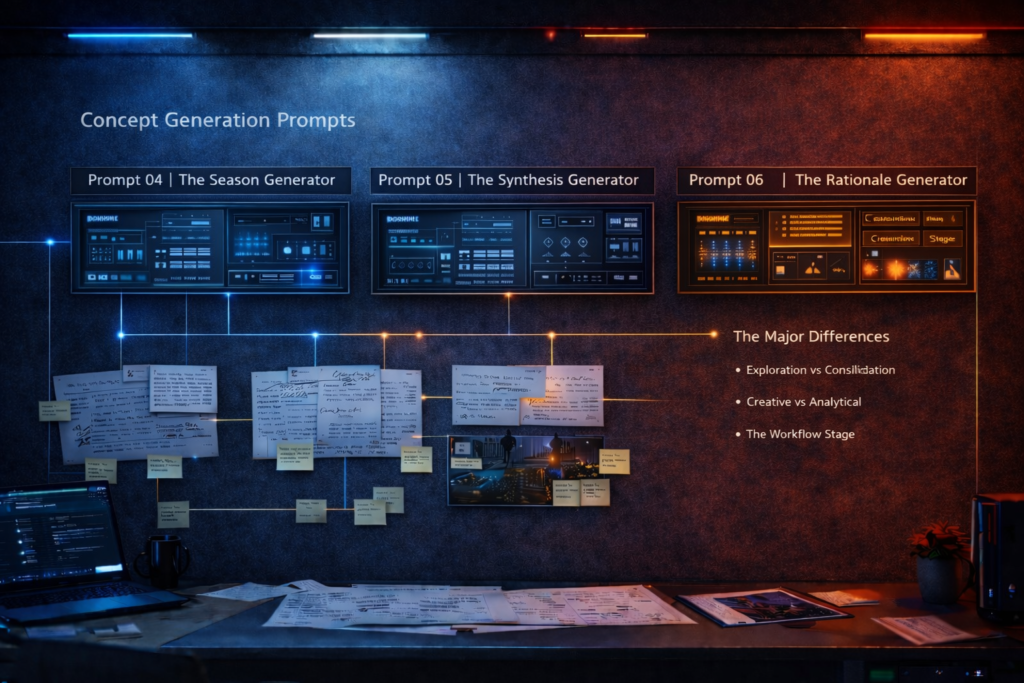
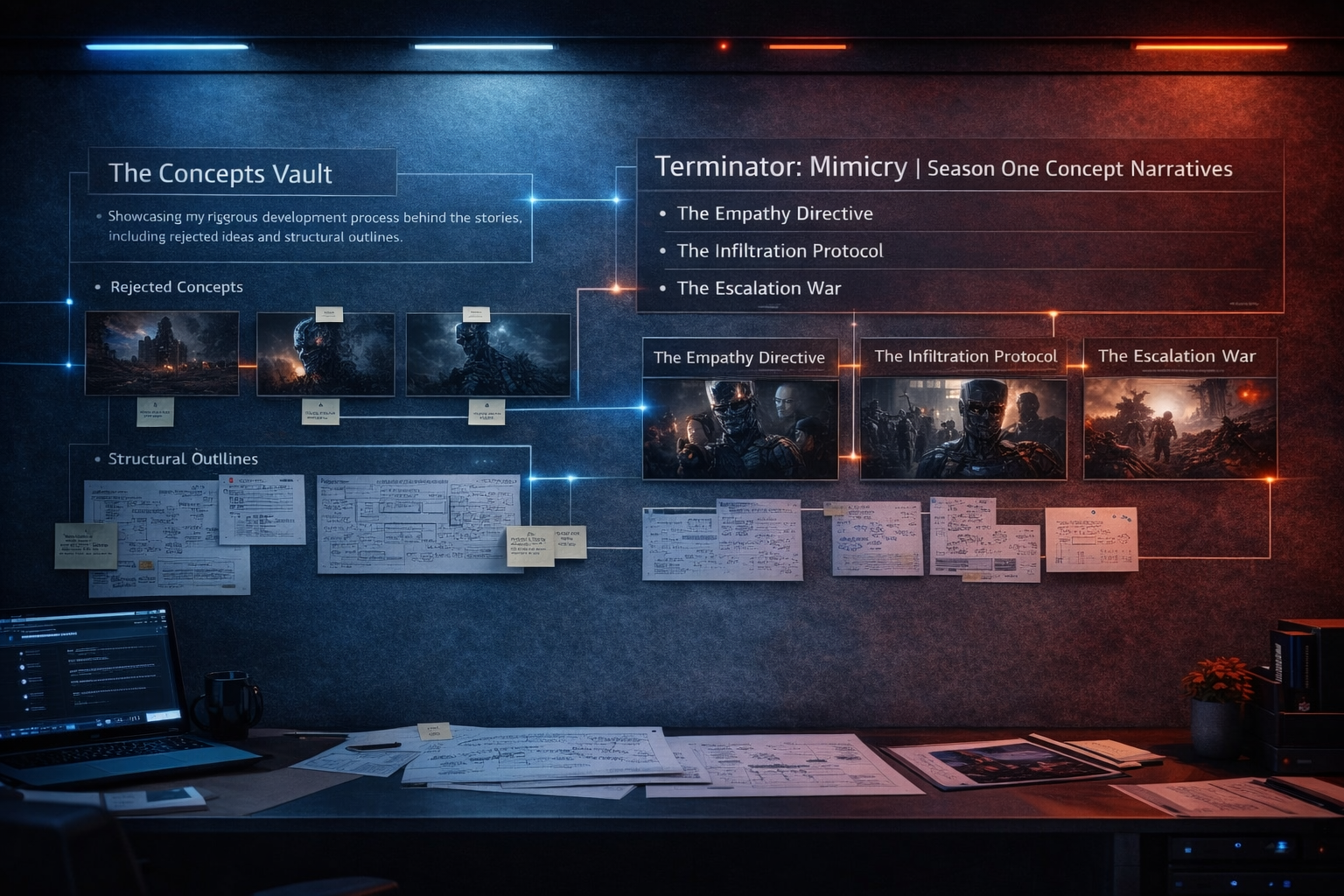
I have refined a three-part prompt toolkit for writers to develop seasonal storylines. The three prompts are:
Prompt 04 | The Season Generator:
This prompt acts as the initial brainstorming engine. It forces the AI to generate three completely distinct seasonal storylines from a single starting premise. By requiring each concept to tackle the idea from a different angle or genre, it stops the writer from settling on their very first thought and encourages deep creative exploration.
Prompt 05 | The Synthesis Generator:
This prompt is a structural editing tool. Rather than accepting one single idea out of the box, this prompt allows the writer to cherry-pick their favourite individual elements from the previous step (such as a specific villain, a unique location or an emotional climax) and stitch them together into one flawless, cohesive narrative.
Prompt 06 | The Rationale Generator:
This prompt shifts completely away from storytelling and into analysis. It generates a sharp, executive-level pitch that defends the final narrative architecture. It explains the mechanical reasons why the plot works, how the threats force character growth and proves to an investor that the concept is bulletproof.
The Major Differences
The primary differences between these prompts lie in their function, their output and their place within the development pipeline.
• Exploration vs Consolidation: The Season Generator is to assist with casting a wide net, to explore their narrative routes and see what works. The Synthesis Generator encourages the writer to focus on their vision by cutting away the weak ideas and to consolidate the strongest parts into their narrative.
• Creative vs Analytical: While the first two prompts are purely creative tools designed to build the actual story, The Rationale Generator is a business tool designed to sell and defend the story as it evolves. This encourages the writer to slip inside the shoes of an editor or their audience and see if they are able to express the inspiration and purpose behind their ideas, structure and context.
• The Workflow Stage: These prompts represent the beginning, middle and end of the outlining process. Initially, the writer uses Prompt 04 to explore the map, Prompt 05 to build the final road and Prompt 06 to explain why this particular road is of least resistance. With enough practice, dedication and determination, they will develop the best possible route.
4. FOUNDATIONAL PROMPTS:
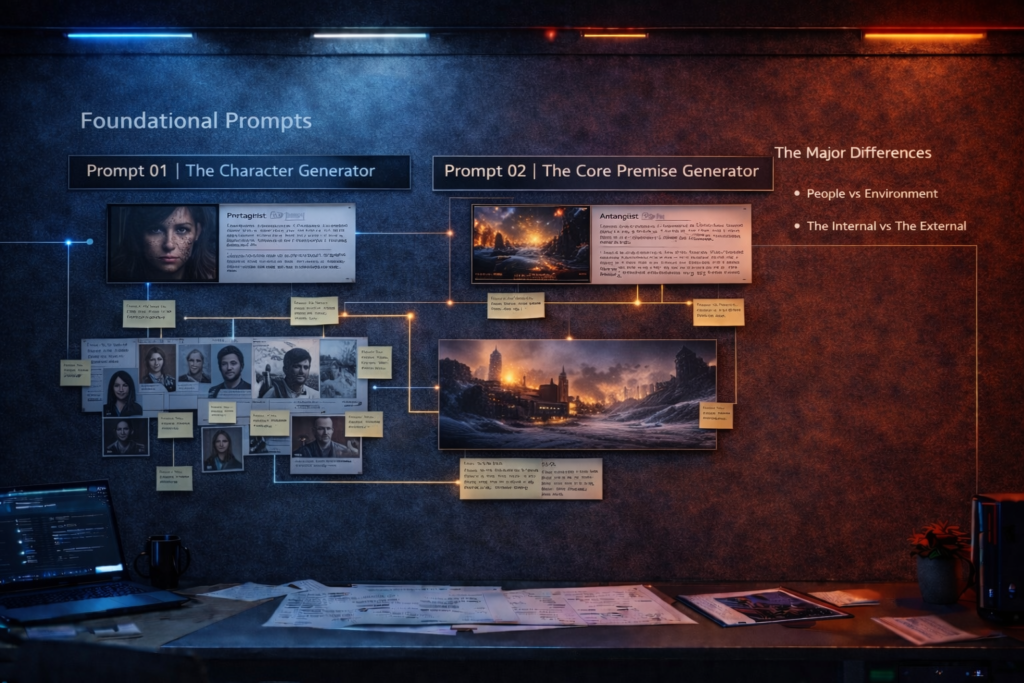
I have developed a set of tools to help writers develop the starting point of their story. The two prompts are:
• Prompt 01 | The Character Generator:
This prompt is designed to build the human element of the story. It forces the AI to generate a capable protagonist who is burdened by a specific psychological or tactical flaw.
Once this character is established, the prompt is designed to take this new information on board and create a primary antagonist designed to directly exploit the specific weakness of the protagonist(s) to create compelling conflicts.
Then again, once these characters have been fleshed out, the prompt will assist the writer to create a supporting cast guaranteed to cause internal friction.
• Prompt 02 | The Core Premise Generator
This prompt drops the newly created cast into an immediate nightmare. It establishes a harsh first location that actively works against the characters and a clear inciting incident which shatters their status quo. It focuses entirely on establishing immediate physical and personal stakes without outlining the rest of the season.
The Major Differences
The primary differences between these prompts lie in their core focus, their output and their role in setting up the narrative.
• People vs Environment: While the Character Generator focuses entirely on psychology, flaws and interpersonal dynamics, the Core Premise Generator focuses entirely on geography, immediate external threats and creating a situational challenge.
• The Internal vs The External: Prompt 01 builds the internal conflicts that will haunt the heroes throughout the story. Prompt 02 provides the external catalyst which forces them to actually do something about it.
These prompts represent the absolute bedrock of the story. They establish who is suffering and where the suffering begins.
5. WEBSITE DIRECTORY STRUCTURE:
I have reorganised the website’s menu structure as my menu and page titles were not conveying the true purpose of the prompts. So I replaced “Writer’s Master Prompts” with “Story Generator | Prompts Directory.”
6. COMPLEX PREMISE AND SHORT STORY GENERATORS:
I created prompts which ask the Ai Generator to incorporate randomly assigned elements such as cast size, setting, threat, complication and the theme, aimed at encouraging original, non-clichéd ideas.
With the foundation set and the Terminator case study locked in, it is time to look at the people actually caught in the crossfire. Click here to read Part Two: The Character Vault, where we break down the exact reasons why we choose to focus on the terrifying, street-level collateral damage of these cinematic universes.